
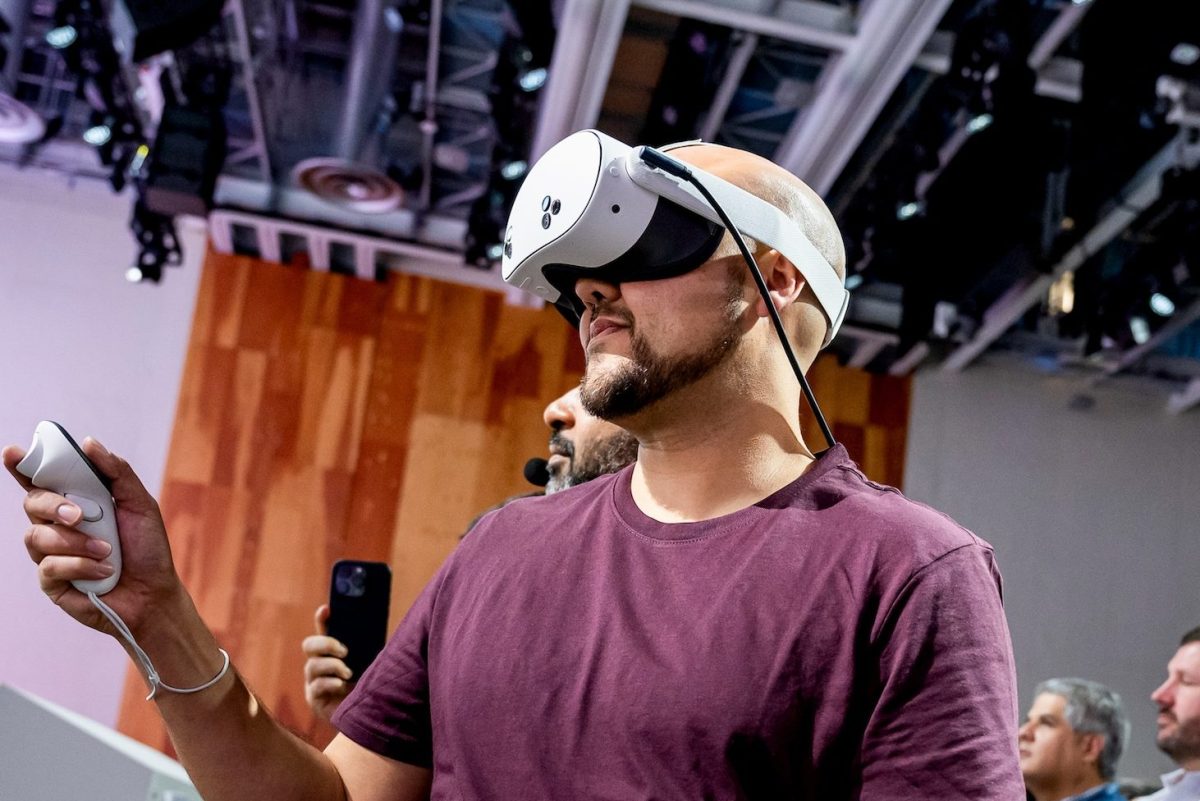
Meta says that it has paused its program to share Meta Horizon OS, the mixed reality operating system that powers its Quest headsets, with third-party device makers. The program was part of the company’s metaverse push — the idea behind the program was to create a “new generation of hardware” that would give VR users their pick of devices when it came to engaging with Meta’s digital worlds.
“We have paused the program to focus on building the world-class first-party hardware and software needed to advance the VR market,” a Meta spokesperson told TechCrunch. “We’re committed to this for the long term and will revisit opportunities for third-party device partnerships as the category evolves.”
The news was originally reported by Road to VR.
Last April, the tech giant announced that it would be opening up Meta Horizon OS to third-party headset makers. At the time, the company said that Asus, Microsoft’s Xbox, and Lenovo, were all working on creating new hardware that would run the company’s software. “As we’ve seen with the PC and smartphone industries, consumers are best served by a broad hardware ecosystem producing both general-purpose computing devices and more specialized products, all running on a common platform,” the company said at the time.
Between the announcement of the partner program and now, there haven’t been a whole lot of updates about it. In September, at the company’s Connect event, a Meta spokesperson said that Meta was still working with its business partners to push Horizon OS into more devices.
Horizon OS was designed to deliver “mixed reality experiences,” and to communicate “social presence” through technologies like hand, body, eye, and face tracking. It launched in the days when Mark Zuckerberg still maintained that the metaverse was the “future” of his company.
Unfortunately for Horizon and the coders who work on it, Meta and its top executive have seemed less and less interested in the metaverse in recent times, as AI becomes a larger focus for the company. Earlier this month, Bloomberg reported that the metaverse group within Reality Labs, Meta’s unit focused on VR and AR hardware, was facing potential budgetary cuts as high as 30%. The company subsequently confirmed that it was planning on “shifting some of our investment from Metaverse toward AI glasses and wearables given the momentum there.”
Techcrunch event
San Francisco
|
October 13-15, 2026