
Crypto firms are embracing fresh guidance from US regulators after the Securities and Exchange Commission and Commodity Futures Trading Commission designated 16 digital assets as commodities.
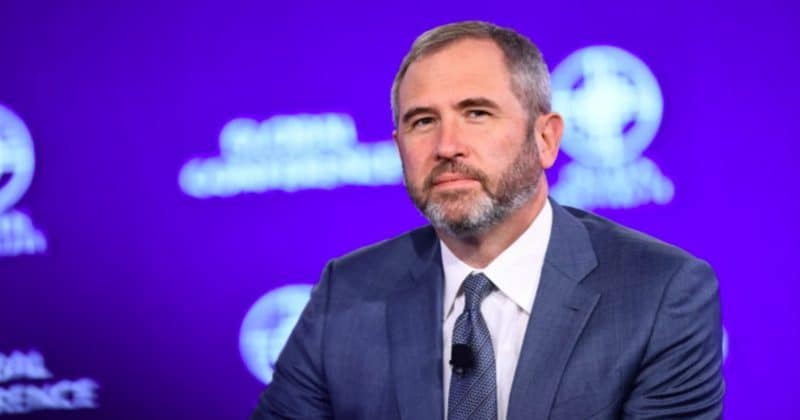
Ripple CEO Brad Garlinghouse called the joint framework a “huge step forward” after years of enforcement he described as politically motivated under former SEC Chair Gary Gensler, who pushed the Ripple lawsuit forward after assuming office in 2021.
The crypto entrepreneur also urged Congress to codify SEC-CFTC guidance into law to avoid another Gensler-style crackdown that could harm crypto innovation and US competitiveness.
“We certainly want to see more. We want to see this codified in law in case there is another former chair of the SEC, Gary Gensler, who I think really did act in bad faith around this,” said Garlinghouse on ‘Mornings with Maria’ this morning.
“We want to make sure that we can’t have another Gary Gensler moment where they try to weaponize policy in a way that is about politics, not about what’s good for the United States, which is why we need to see these things codified,” he argued.
On the CLARITY Act, Garlinghouse described watching the legislative process as messy but encouraging, with key stakeholders working toward compromise on the bill. He predicted the bill would pass by the end of May.
“From this White House, we’re seeing amazing leadership to push this forward,” Garlinghouse said. “I think we’re going to get there. It’s just taking a little longer than we thought.”
Ripple’s boss said passage of the key market structure bill would not materially change Ripple’s business but would “unlock” US banks that have been hesitant to engage with crypto and encourage more financial institutions to participate in the industry.
Ripple sees record growth as acquisitions drive new revenue
Ripple has continued to grow strongly despite a volatile crypto market. Garlinghouse noted that while the market was flat heading into 2026, Ripple’s core business kept expanding.
The acquisitions of Ripple Treasury and Ripple Prime drove growth, he said. Ripple Treasury has exceeded expectations, giving CFOs real-time global liquidity and enabling instant cross-border payments.
Ripple Prime has also scaled, tripling its revenue run rate and strengthening Ripple’s position with major financial institutions, opening up new counterparties and revenue streams.
This year, Ripple’s focus is on bringing these businesses together to unlock synergies rather than launching new ventures, Garlinghouse explained. The company has backed this strategy with a 50% increase in headcount and over $1 billion in investments.
Ripple aims to deepen corporate adoption, expand its brokerage arm, and strengthen the utility and trust in XRP, Garlinghouse said.