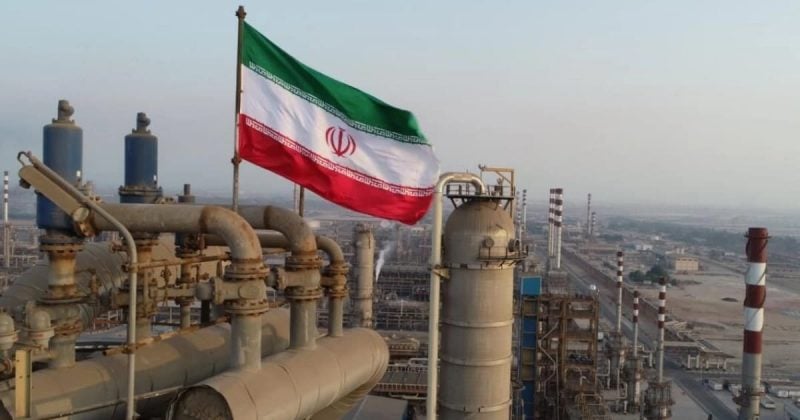
Iranian state-linked media is reporting that the United States has agreed to temporarily lift sanctions on Iran’s oil exports while the two countries negotiate. The key words there: “if true.”
The claimed waiver would only last for the duration of ongoing talks, not permanently. Iranian sources also assert that Washington may unfreeze roughly 25% of Iran’s blocked funds on a phased schedule.
None of this has been confirmed by US officials. And the timing is curious, given that the US State Department has been actively announcing new sanctions against Iran’s oil trade as recently as late April and early May 2025.
What Iran is saying, and what Washington isn’t
The negotiations are reportedly being mediated by Pakistan, with Iran’s nuclear program and maritime security in the Strait of Hormuz serving as the central sticking points. Iranian media frames the proposed waiver as a good-faith gesture from Washington, a temporary olive branch designed to keep talks moving forward.
The continued imposition of new sanctions on Iran’s oil sector, happening concurrently with these alleged negotiations, suggests that whatever is being discussed behind closed doors hasn’t yet translated into policy changes on the American side.
The precedent for temporary waivers
Temporary sanctions waivers on Iranian oil are not without precedent. Previous US administrations have used them as strategic tools, both for geopolitical negotiation and for stabilizing global oil markets when supply concerns warranted flexibility.
During the Obama administration’s nuclear negotiations that led to the 2015 Joint Comprehensive Plan of Action, phased sanctions relief was a core component of the deal structure. The Trump administration later withdrew from that agreement and reimposed maximum pressure sanctions. The Biden administration explored various diplomatic channels but never fully restored the original framework.
What this means for investors
Iran is a major oil producer, and any suggestion that its crude could flow more freely onto global markets puts downward pressure on oil prices. The frozen funds angle matters too. If Washington were to actually unfreeze Iranian assets, it would raise questions about the reliability of the sanctions regime as a whole.
The risk for investors is straightforward: acting on unconfirmed claims from state media. Until US officials publicly acknowledge any agreement, or until observable policy changes appear such as the cessation of new sanctions, this remains an assertion from one side of a negotiation.